
If you are wondering how to set up a preschool classroom that feels calm, inviting, and ready for real play, this is a look inside the classroom I created. I will walk you through the furniture, color palette, and learning areas—including the cozy library, blocks, math and manipulatives, art, science, and dramatic play.
My goal is not a picture-perfect classroom. It is a space where children can reach the materials, make choices, and learn through play.
New School Year, New Classroom
When I set up a preschool classroom, I start with how the children will use the space—not how the room will look in a photograph. Materials should be within reach, learning areas should be easy to understand, and children should have room to make choices, move, build, create, and play.
This classroom was designed around those goals. Below, I am sharing the furniture, calm color palette, and classroom areas that helped me create a welcoming environment for preschoolers ages three to five.

Furniture & Decor
Product note: These are classroom items I have used or recommend. Links are provided for convenience, and I do not earn a commission from purchases.
Furniture should be child appropriate, inviting, and comforting. Here is what I have in my room that fits my neutral color scheme.
- Tables
- Chairs – You may need to check the height to ensure you have the proper fit for your students. There are different sizes to choose from.
- Block Area Rug
- Cozy Area Rug
- Science Area Rug
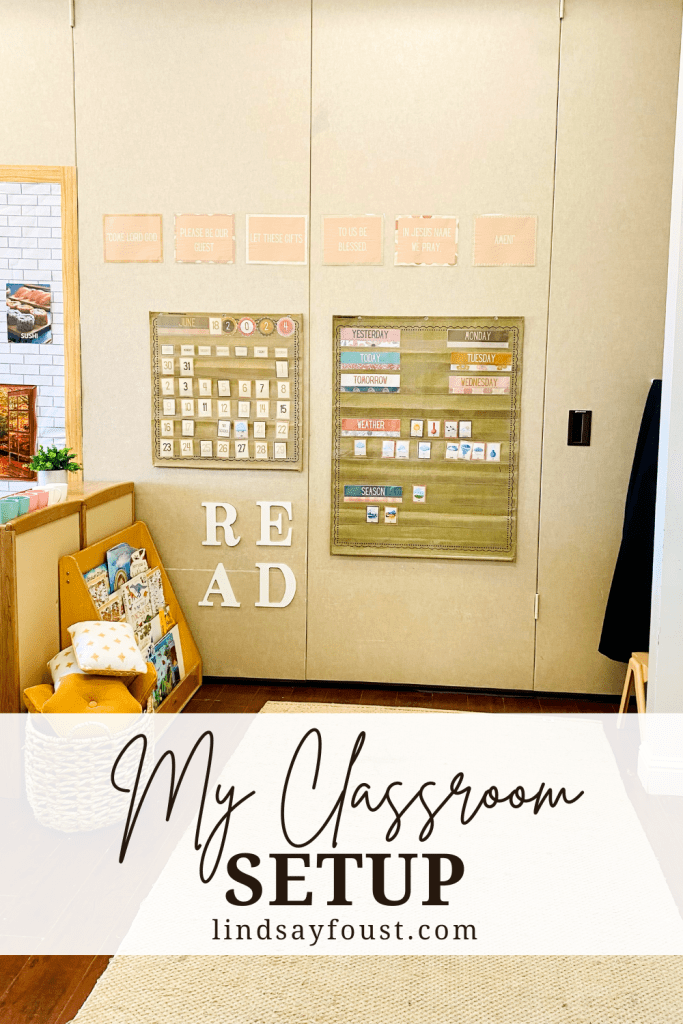
- Neutral pocket chart square – Neutral pocket chart rectangle
- Mauve Bulletin Board paper
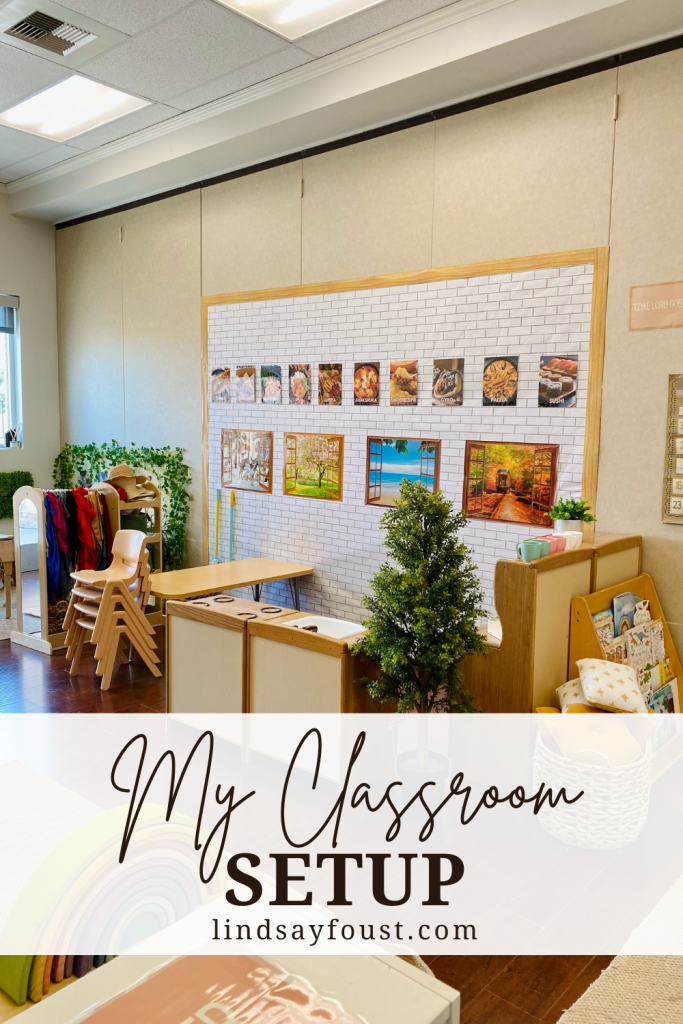
- White Brick Backdrop
- Wood Border
Choosing the Perfect Color Scheme
When it comes to choosing the perfect color scheme for your classroom, it’s important to consider the impact that different colors can have on the atmosphere and mood of the space. Soft, calming hues like muted pinks and greens can create a soothing environment, perfect for promoting relaxation and focus during the day. Bright, bold colors such as reds and yellows, on the other hand, can be overstimulating for the mind and can make it difficult for the child to maintain focus. By carefully selecting a calming color palette and theme of your classroom, you can create a cohesive and inviting space that engages children on multiple levels.
For my classroom, I have chosen mauve/blush pink and sage green as the main colors, interweaving neutrals such as beige and white to tie it all together. The overall theme can be considered boho, incorporating floral and rattan/wicker patterns throughout.
You can find my alphabet, numbers, and calendar set here.


Now, let’s delve into the next phase of our classroom transformation as we explore the art of designing inviting and interactive learning areas.
Designing Inviting and Interactive Learning Areas
When it comes to creating a dynamic and engaging learning environment for preschoolers, designing inviting and interactive learning areas is key. I follow the ECERS guidelines to accomplish this. You can view the ECERS-3 classroom materials checklist.
Each section of your classroom should be thoughtfully curated to encourage exploration, creativity, and hands-on learning experiences. From cozy reading nooks with plush pillows and shelves filled with a variety of books to sensory stations featuring textured materials and interactive games, every corner of your classroom should spark curiosity and inspire young minds to learn through play. By strategically placing learning materials at child-height levels and incorporating flexible seating options like floor cushions or small tables, you can empower children to make choices and take ownership of their learning journey.
Let’s break down these areas one by one.
Cozy Area and Preschool Classroom Library
Incorporating a variety of textures, colors, and soft furnishings can help create a cozy and inviting atmosphere where children feel comfortable to relax and recharge. Consider using rugs, cushions, and bean bags as a way to add comfort. Soft lighting sources such as lamps and string lights can also add a warm and calming ambiance to the space, making it feel like a home away from home for young students.
I found my pillows at a store called “Wow! That’s cheap!” If you have a “Five Below” store near you, they are also a great place to look.
Here is a similar neutral-pattern classroom pillow.
Preschool Classroom Block Area
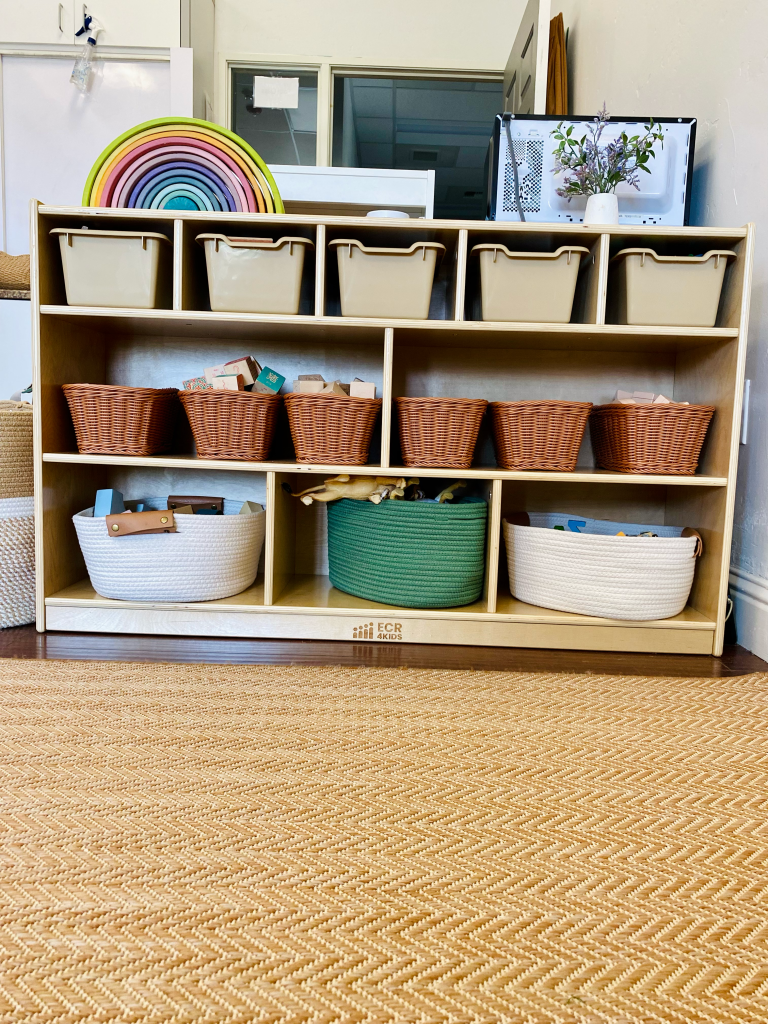
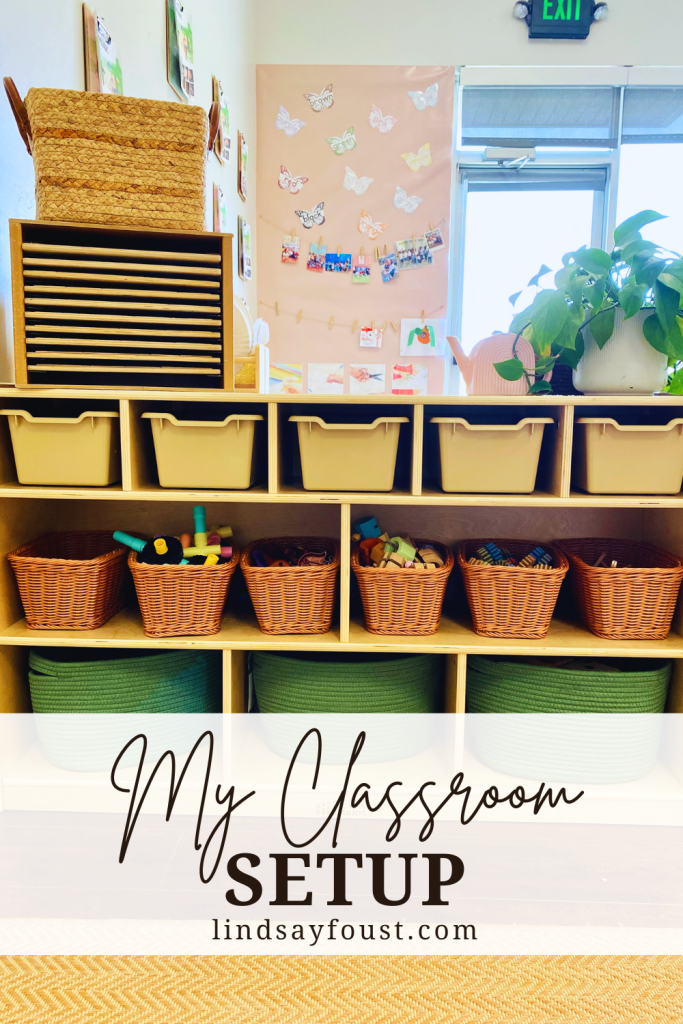
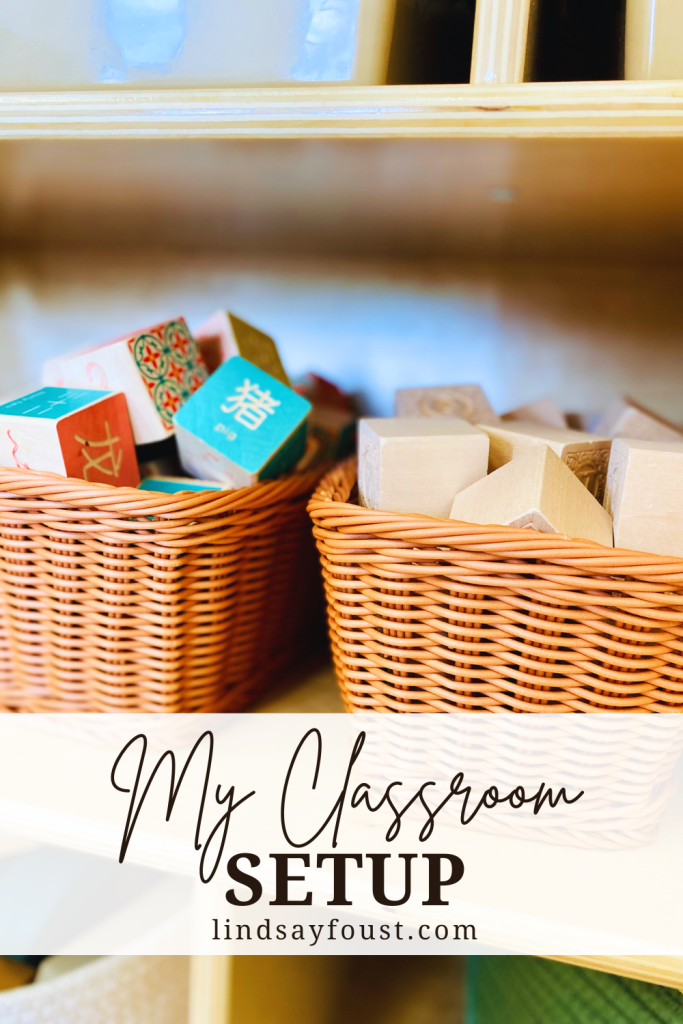
Per ECERS guidelines, here is what I have on my block area shelf. By providing a variety of items in shapes, textures, and size, the child is able to expand their imagination when building.
- ECR4Kids Shelf
- Cubby Bins for shelf
- Woven Basket
- Green Basket
- Stacking Rainbow
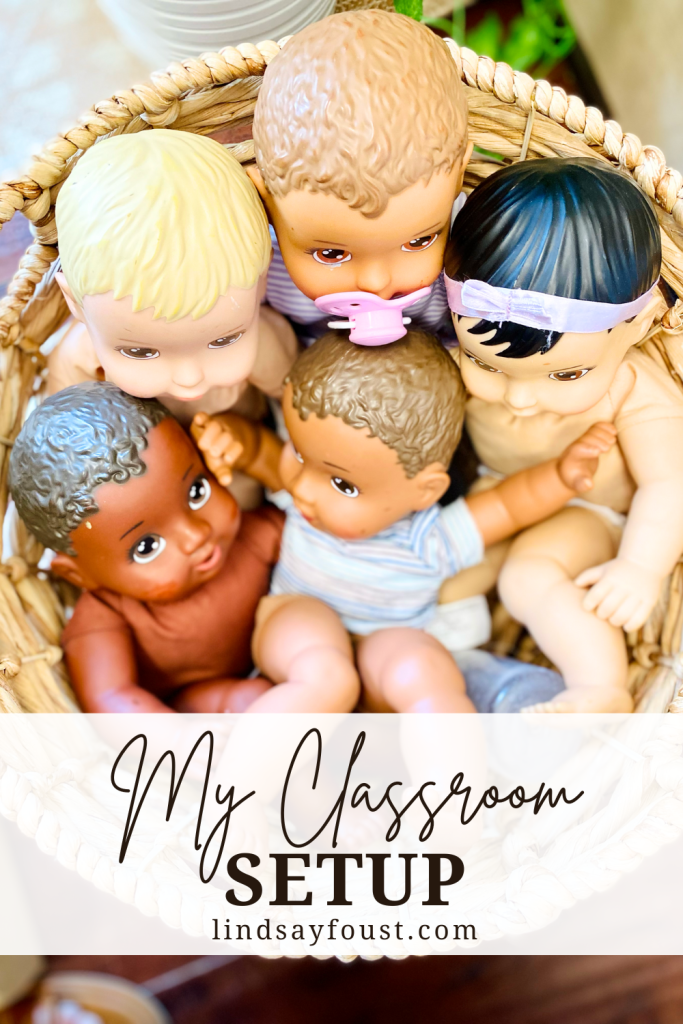
- Diverse variety of dolls
- Wooden pattern blocks (Tangrams, parquetry)
- Stacking stones
- Wooden Trees
- Wooden Mushrooms
- Hardwood samples from Home Depot-These are free!
- Letter blocks
- Chinese blocks
- Flag Dominos
- Rainbow window blocks
- Nature inspired blocks
- Train tracks
- Letter Trains
- Animals
- Neutral foam blocks
- Wood blocks
- Foam Boulder Blocks


Related resource: Looking for more ways to use familiar classroom materials? Explore the Play Beyond Purpose collection for flexible, open-ended invitations children can make their own.
Math and Manipulatives Center
Per ECERS guidelines, here is what I have on my math & manipulative area shelf.
- ECR4Kids Shelf
- Cubby Bins for shelf
- Woven Basket
- Green Basket
- Neutral wooden counting pegs
- Sensory letters
- Suction letters
- Wooden letter puzzles
- Sight word puzzle
- Shadow matching puzzle was from Temu
- Natural tone wheels
- Wooden STEM building
- Neutral Pipe tubes-pastel colors were from Temu
- Flower building
- Neutral magnet tiles
Preschool Art Area
Per ECERS guidelines, here is what I have on my art area shelf.
It is important to give the children a variety of materials to explore so they can truly express their creativity. You have to keep in mind, some children may not have access to these materials at home.
- ECR4Kids Shelf
- Cubby Bins for shelf
- Woven Basket
- Green Basket
- Crayons
- Colored Pencils
- Hole Punchers
- Scissors
- Design scissors
- Paint
- Markers
- Scraps/collage material
- Glue sticks
- Glue bottle
- Mini White boards
- White board markers
- White board erasers
- Mini chalkboards
- Chalk
- Stickers
- Paper
- Play dough
- Play dough tools
- Colored Tape
- Tape dispenser
- Stamps
Preschool Science and Sensory Area
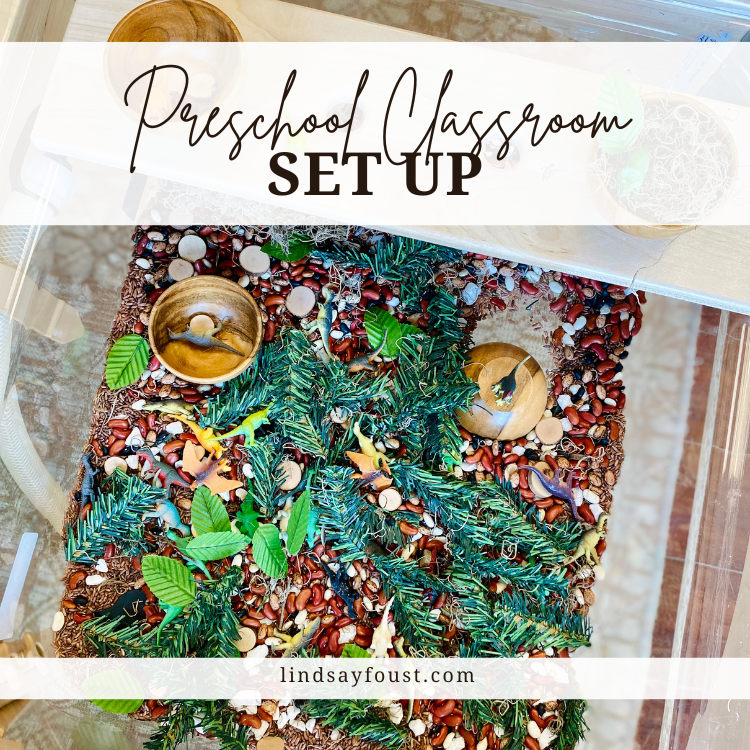
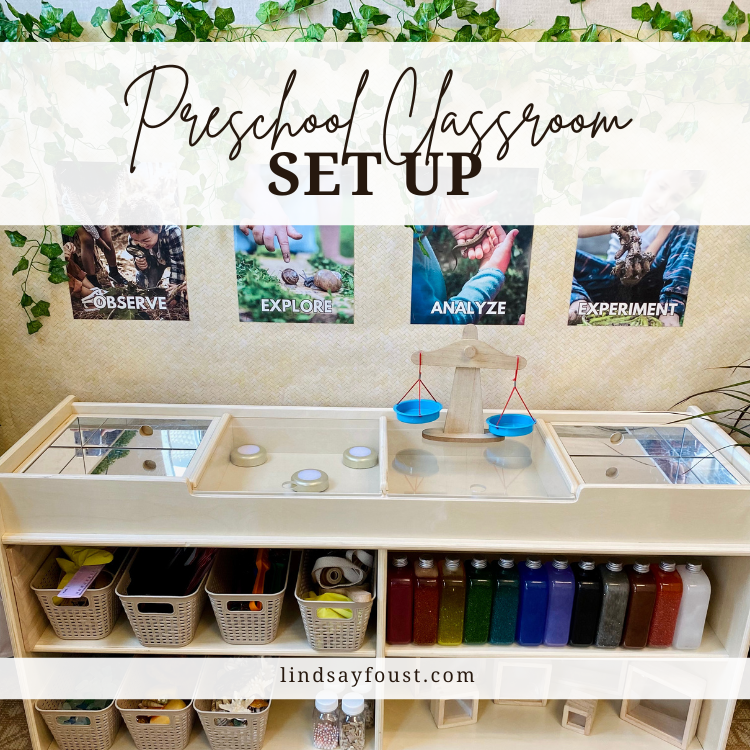
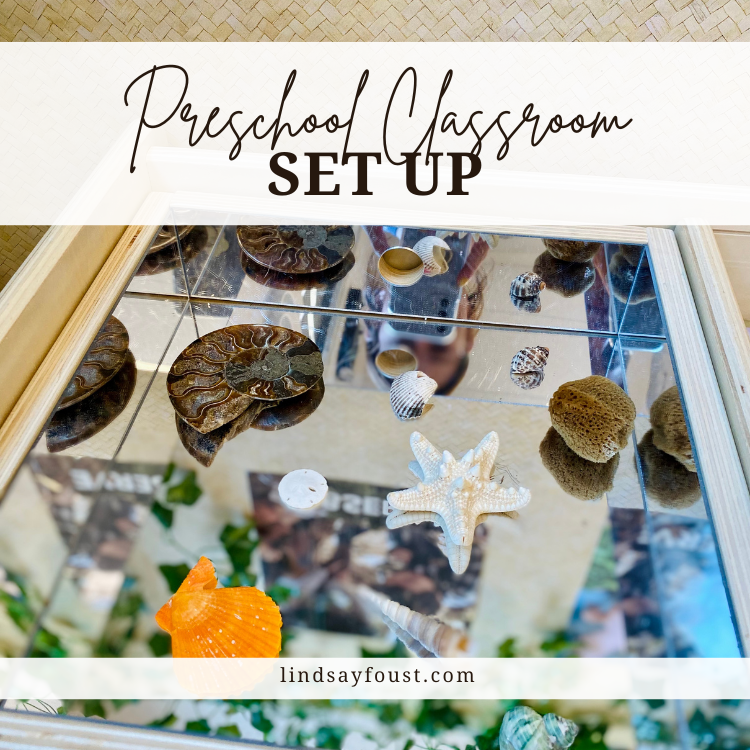
One way to further enhance the learning environment in your preschool classroom is to bring elements of nature indoors. By incorporating natural materials such as wood, rocks, plants, and water features, you can create a calming and sensory-rich space that reflects the beauty and wonder of the outdoors. Consider adding a small indoor garden where children can plant seeds, water plants, and observe the growth process firsthand. Introducing natural light through windows or skylights can also help create a connection to the outside world and provide a warm and welcoming atmosphere for young learners. By blurring the boundaries between indoor and outdoor spaces, you can inspire a sense of wonder and curiosity in your students, setting the stage for even more imaginative and engaging learning experiences. A science area is just the place for incorporating these things.
My current set up is summer themed, I plan to change this seasonally.
- Science Shelf
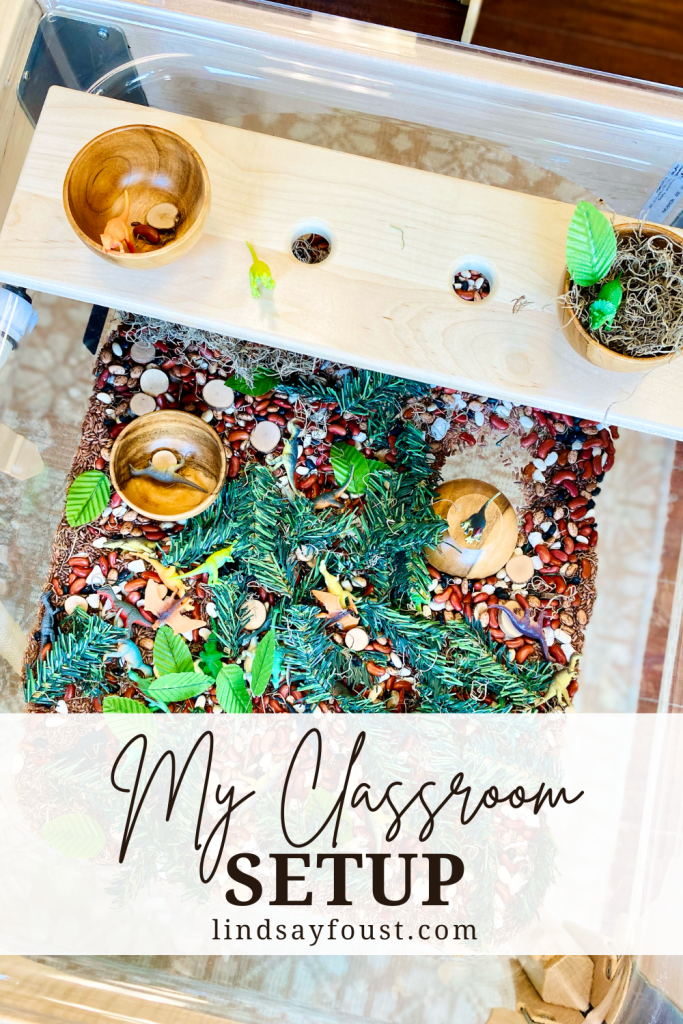
- Sensory Bin– Sensory bin with Beige bin
- Beige Bins are from dollar tree-here is another option
- Sea sponge
- Sea glass
- Seashells
- Sand dollars
- Shark Teeth
- Pearls
- Sea creatures in resin
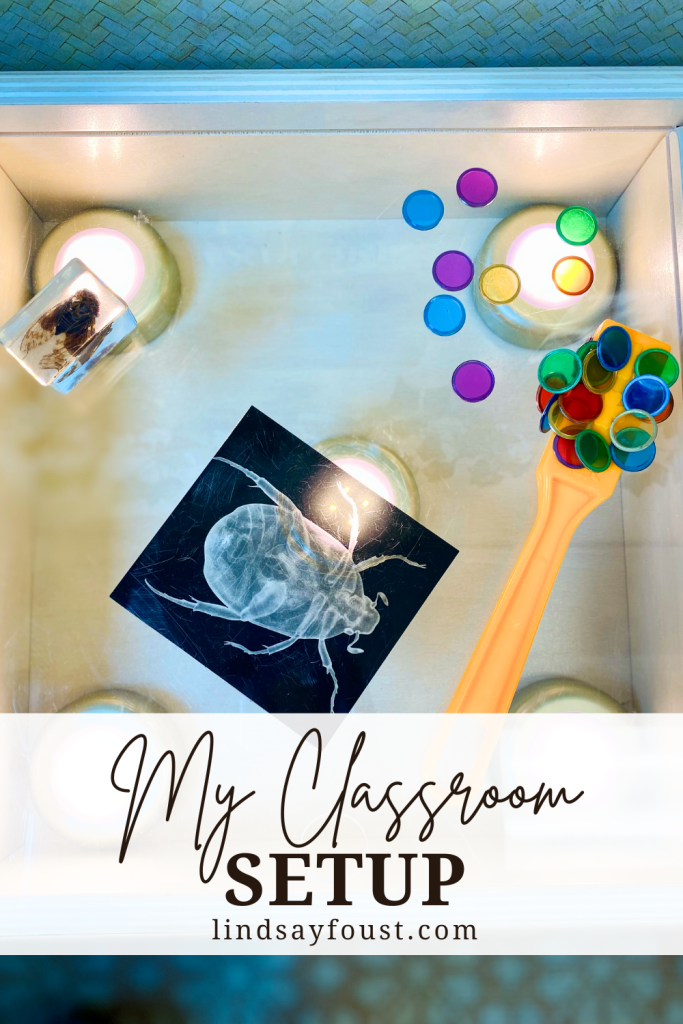
- Bug X-Rays
- Bugs in resin
- Magnifying glass
- Binoculars
- Kaleidoscopes
- Prisms
- Color paddles
- Push lights
- Magnifying Blocks
- Magnet discs/wand
- Rubber gloves
- Safety glasses
- Lab coats
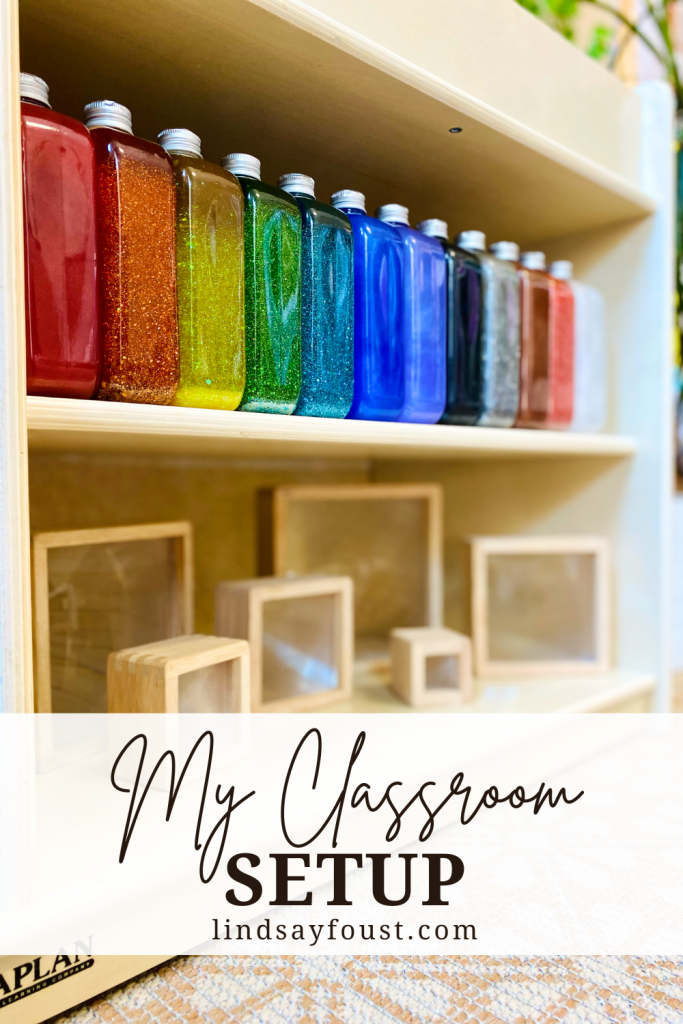
- Sensory Bottles-I made these bottles with clear glue, water, glitter, and rubbing alcohol. The more glue, the slower the glitter will fall.
- Vines
- Wall Greenery

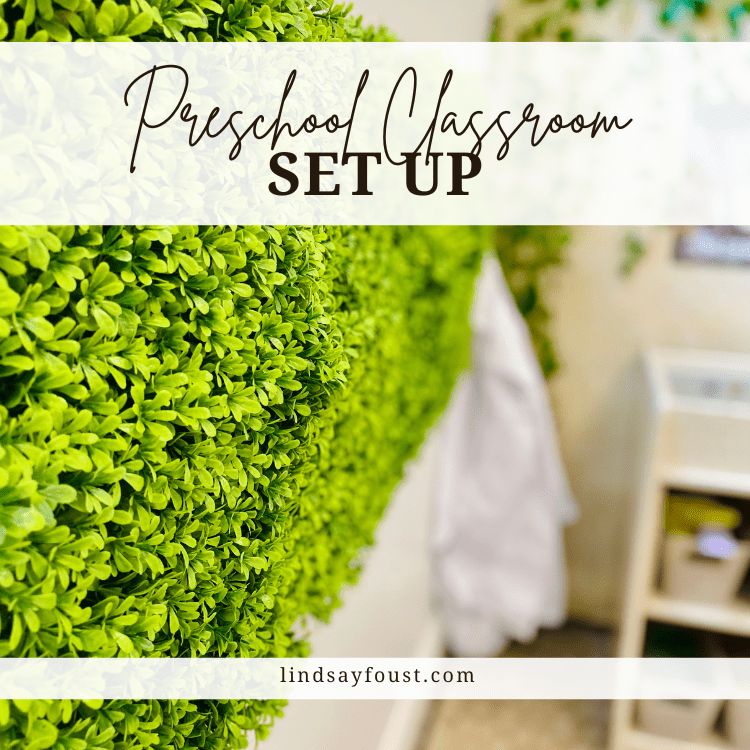

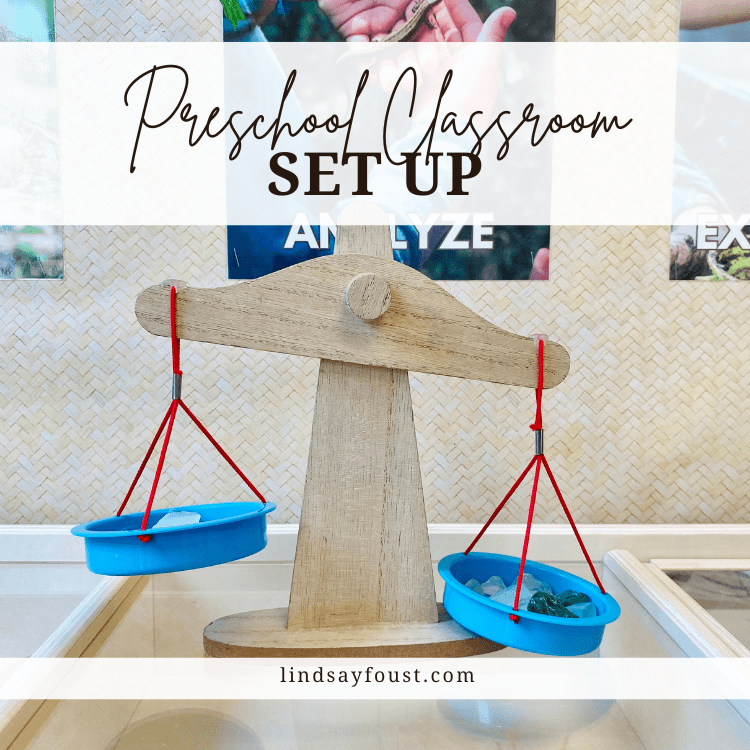
Related resource: For ready-to-use life cycle, parts, sorting, and building activities, explore the Play Beyond Pasta science-center collection.
Preschool Dramatic Play Area
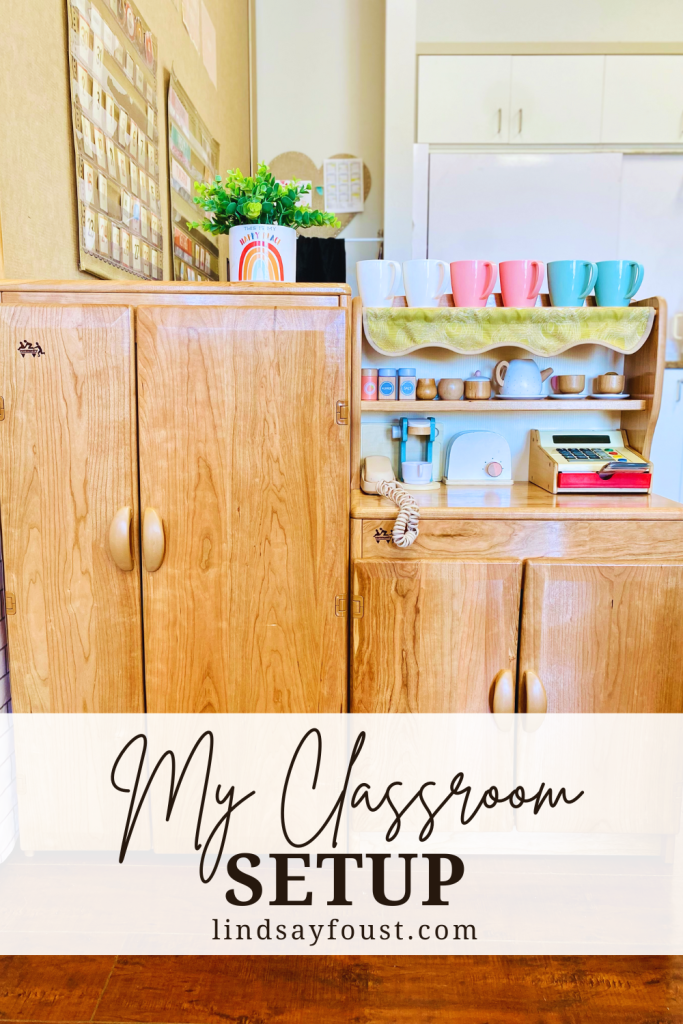
Dramatic play can be more than just a kitchen. I encourage you to think outside the box and rotate it through out the year. You can create a pizza parlor, a bakery, a doctor’s office etc.
Related resource: Want a complete setup to start with? Explore the Italian Restaurant dramatic-play resource with signs, labels, and printable props.
- Play Kitchen Set – Although the set I have is very high quality, I know that it can be pricey. Here is a more budget friendly approach and about 1/3 the price- Sink – Stove – Hutch – Fridge
- Dress up center
- Music
- Babies
- Scarves
- Wooden Food – Wooden Fruit – Wooden Eggs
- Mugs – Dishes
- Pots/pans
- Coffee Maker/toaster set
- Phone
- Toy register
- Doctor Kit
- Salon Kit
- Tools
- Cleaning supplies (toys) – I gathered these from dollar tree and bullseye section at Target
A Calm, Play-Based Preschool Classroom
A well-designed preschool classroom does not need to be picture-perfect. It needs to be age-appropriate, welcoming, and organized so children can reach the materials, make choices, and learn through play.
Once the room is ready, the next step is deciding how to introduce it without overwhelming the children. Read The First Week of Preschool: What to Teach Before You Teach the Curriculum for the routines and expectations I teach first.
You can also browse my preschool classroom resources for practical, play-based materials created for real classrooms.









Bring more purposeful play into your classroom.
Want a closer look at the materials I keep out and stash away? Take my free Preschool Classroom Staples List into your own room.


2 thoughts on “How I Set Up My Preschool Classroom For The New School Year”