
Teaching preschoolers to listen to and follow class rules doesn’t have to feel like a constant battle. In fact, with the right approach, it can become one of the most rewarding parts of your day. Young children thrive on routine, clear expectations, and positive guidance. When we introduce rules in a way that feels safe, engaging, and meaningful, children begin to understand that rules aren’t about punishment—they’re about keeping our classroom happy, safe, and fun for everyone. Don’t forget to grab your free posters at the end of the blog!
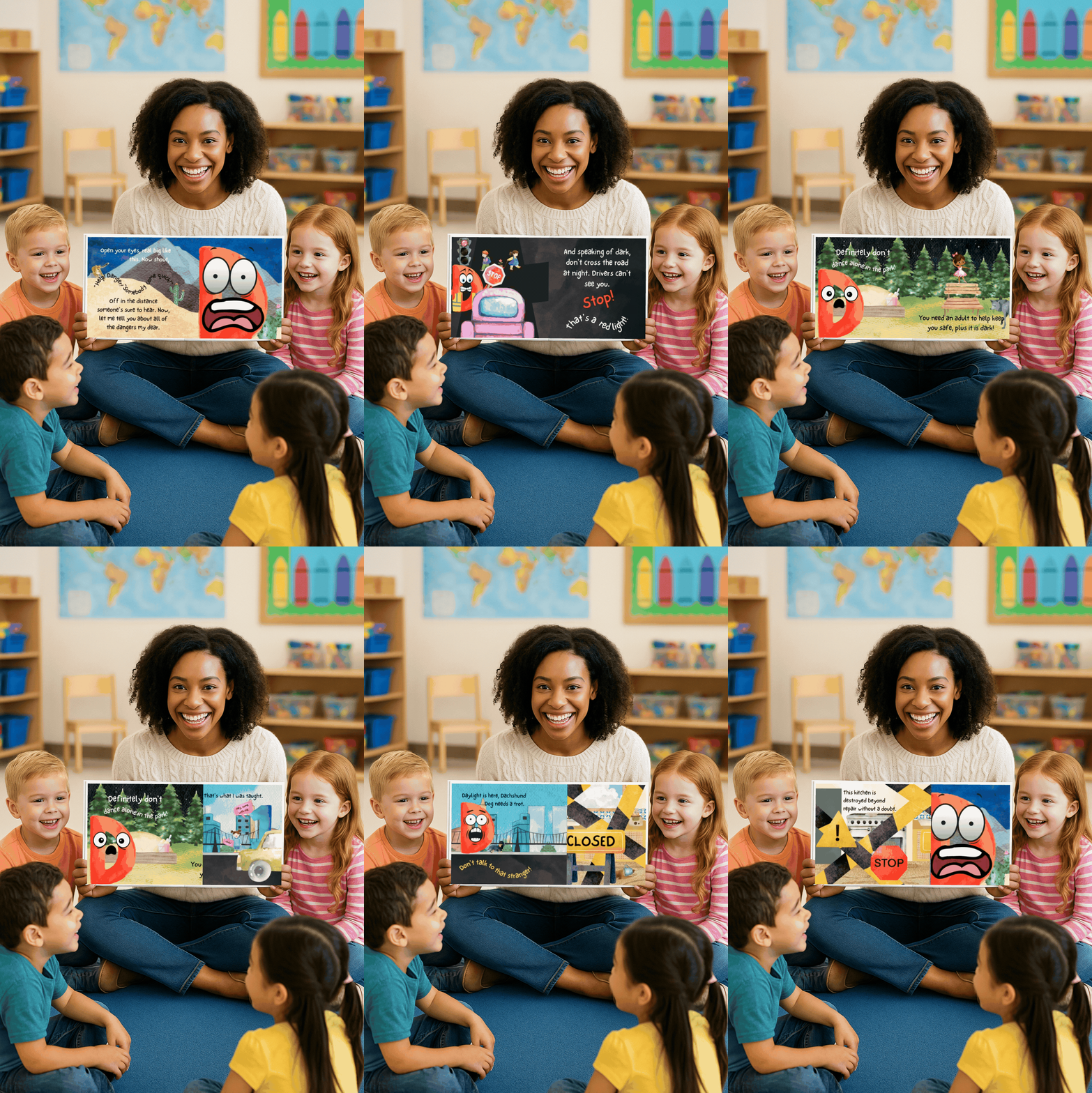
Check out these children’s books on Amazon! Click the Image for a closer look.



Why Rules Matter in Preschool
Preschoolers are learning how to be part of a group for the first time. They’re building skills like sharing, taking turns, and listening to others. Classroom rules help set the stage for all of these social skills to grow. When children know what’s expected, they feel more secure and confident. Rules give them the structure they need to explore, learn, and connect with others.
Keep Rules Simple and Clear
The golden rule for preschool: less is more. Aim for three to five simple rules stated in a positive way. For example:
- “Use kind hands.”
- “Take care of our toys.”
- “Listening ears on.”
Short, positive phrases are easier for little ones to remember and repeat.
Involve Children in the Process
Preschoolers are much more likely to follow rules when they’ve had a hand in creating them. During circle time, ask your class, “What can we do to keep our classroom safe and happy?” Write down their ideas, then guide the conversation to form simple, consistent rules. This sense of ownership helps children feel proud of their classroom community.
Teach Rules Through Modeling and Practice
Simply posting rules on the wall isn’t enough—children need to see them in action. Demonstrate what each rule looks like in real life. For example:
- Show “walking feet” by walking slowly across the room.
- Pretend to grab a toy and then model “gentle hands” instead.
Give children chances to practice too. Turn it into a fun role-play game where they get to act out the “right” way to follow the rule.
Reinforce with Positivity
Preschoolers love encouragement. Notice when they’re following the rules and say it out loud:
- “I like how you used your walking feet!”
- “You listened so carefully during circle time.”
Positive reinforcement reminds children that their efforts are noticed and appreciated. Refrain from phrases such as: “Good Job!” or other generic praises. Try to make them skill specific so the child knows what they did.
i.e: “I love how you used problem solving skills to take turns with that toy.”
Be Consistent (But Kind)
Consistency is key. If you let rules slide sometimes and enforce them other times, children will get confused. Stay steady, calm, and kind. When a rule is broken, gently remind the child of the expectation and give them a chance to try again. Avoid long lectures—short and simple works best.
Use Visuals as Reminders
Visual cues are a lifesaver in preschool. Pair each rule with a picture so children can connect the words with the action. You might show a picture of a child walking to represent “walking feet” or two children holding hands for “kind hands.” Post these visuals at child level where they can easily see and remember.
⭐️ Grab these free posters here. ⭐️ Grab the matching calendar and alphabet set here
Build Rules into Daily Routines
The more often rules are woven into everyday moments, the more natural they’ll feel. Use transitions as opportunities to review:
- Before lining up, say, “Let’s remember our walking feet.”
- Before playtime, remind, “Gentle hands keep our toys safe.”
Repeating rules in context helps children connect the words with the behavior.
Celebrate Success Together
When the whole class follows the rules well, celebrate as a group! It can be as simple as a cheer, a special story, or a short dance break. Celebrating reinforces the idea that working together makes the classroom a joyful place.
To Summarize
Teaching preschoolers to listen to and follow rules takes patience, practice, and consistency. But remember—you’re not just teaching rules. You’re teaching life skills: respect, cooperation, and self-control. By keeping expectations clear, modeling positive behavior, and celebrating successes, you’ll create a classroom environment where children feel safe, capable, and ready to learn.
Rules don’t have to feel like restrictions. In preschool, they’re really stepping stones—guiding little learners toward becoming kind, confident, and respectful members of a community.


 learnplayrepeat